High-stakes gambling The thrill of risking it all in the casino
The Allure of High-Stakes Gambling
High-stakes gambling captivates the imagination, drawing individuals into a world where fortunes can shift in an instant. The thrill lies in the potential for substantial wins, often luring players to risk significant amounts of money. This environment is not just about luck; it’s a blend of strategy, psychology, and the electrifying atmosphere of the casino. Many enthusiasts find that exploring options like curacao casinos not on gamstop can enhance their experience, making it even more exciting.
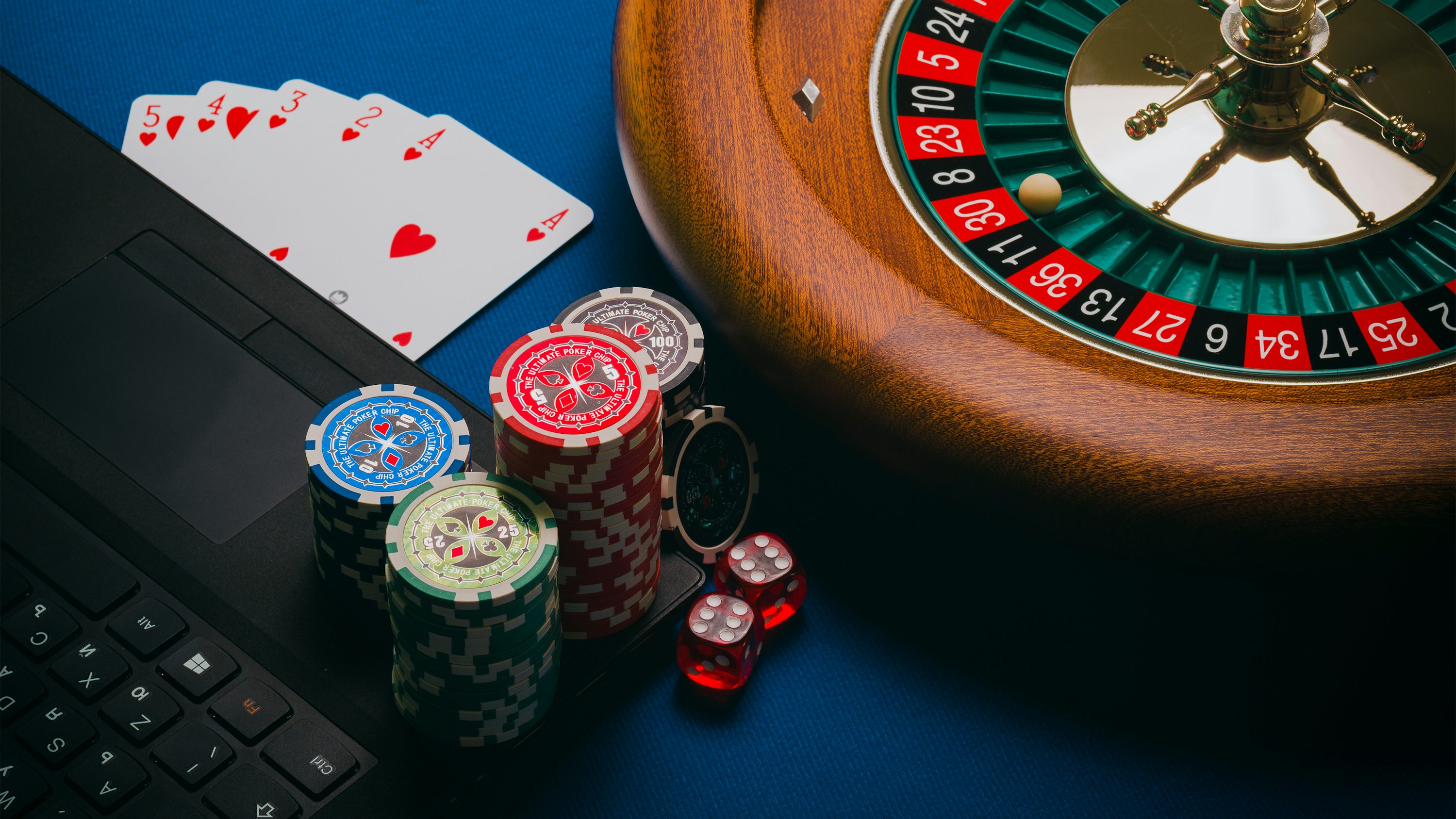
Many find that the excitement of placing large bets intensifies the overall experience. High-stakes tables become arenas where both novice players and seasoned professionals navigate their emotions, making it a playground for those seeking adrenaline and the ultimate test of their skills. In this high-pressure environment, every decision can lead to a life-changing outcome.
Celebrity Gamblers and Their Stories
Among the most captivating aspects of high-stakes gambling are the stories of celebrity gamblers who have made headlines with their audacious bets. These individuals often embody the thrill-seeking spirit, risking vast sums of money while under the public’s watchful eye. Figures like James Woods and Ben Affleck have not only showcased their gambling prowess but have also highlighted the fine line between risk and recklessness.
These celebrity gamblers often experience both extraordinary victories and monumental losses, fueling public fascination. Their journeys reflect the unpredictable nature of high-stakes gambling, where fortunes can change overnight, and the psychological stakes are as high as the financial ones.
The Psychological Factors Behind Gambling
The psychological allure of high-stakes gambling extends beyond the thrill of potential winnings. The anticipation and suspense that accompany each game can be intoxicating, causing the brain to release dopamine, the pleasure chemical. This response creates a cycle of excitement that keeps players returning for more, often leading to obsessive behaviors.
Moreover, the social aspects of gambling cannot be overlooked. Many players find camaraderie among fellow gamblers, forming bonds that enhance the overall experience. This combination of psychological stimulation and social interaction makes high-stakes gambling a uniquely engaging endeavor, despite its risks.
The Risks and Rewards of High-Stakes Gambling
While the rewards of high-stakes gambling can be significant, the risks are equally daunting. Players can experience rapid financial loss, leading to stress and anxiety. Understanding the balance between risk and reward is crucial for anyone considering entering this thrilling world. Many gamblers develop strategies to manage their bankroll, ensuring they can enjoy the experience without jeopardizing their financial stability.
Furthermore, it’s essential for players to be aware of the psychological impact that gambling can have. The thrill of winning can create a compulsion to continue playing, which can lead to detrimental behaviors. Recognizing these dangers is vital for maintaining a healthy relationship with gambling and enjoying the experience responsibly.
Exploring the World of Online High-Stakes Gambling
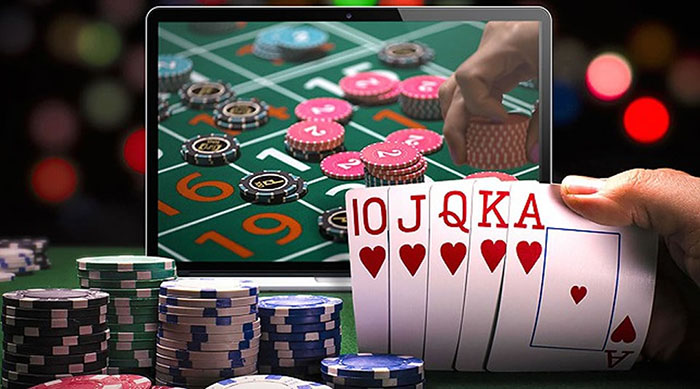
The landscape of high-stakes gambling is evolving, with online platforms providing unprecedented access to a broader audience. These digital casinos replicate the excitement of traditional establishments, allowing players to engage in high-stakes games from the comfort of their homes. However, this convenience comes with its challenges, including the need for robust security measures to protect players and their funds.
As online gaming continues to grow, so too does the need for responsible gambling practices. Understanding the risks involved and utilizing tools provided by online casinos can help maintain a positive gaming experience. Players should remain informed and vigilant, ensuring their gambling remains an enjoyable pastime rather than a destructive habit.