The psychology of gambling Understanding the lure behind the risk
The Allure of Uncertainty
The psychology of gambling is deeply rooted in the human attraction to uncertainty and risk. Many individuals are drawn to gambling because it provides an adrenaline rush and the excitement of not knowing the outcome. This thrill can lead to a feeling of euphoria, which is often enhanced by the atmosphere of casinos or gambling online venues. The unpredictable nature of games creates a unique experience that keeps players coming back for more, even when they know the odds are not in their favor.

This attraction to uncertainty is linked to the brain’s reward system. When a person gambles, their brain releases dopamine, a neurotransmitter associated with pleasure and reinforcement. This chemical response can create a positive feedback loop, encouraging further gambling despite potential losses. Understanding this psychological mechanism is essential for recognizing why many find it difficult to walk away from the gambling table.
The Illusion of Control
An intriguing aspect of gambling psychology is the illusion of control. Many players believe they can influence the outcome of games based on their strategies or choices. For instance, poker players may think their skills will give them an advantage over luck, while slot machine players may believe certain patterns lead to better outcomes. This sense of control can enhance the gambling experience and lead to increased participation.
The Social Dynamics of Gambling
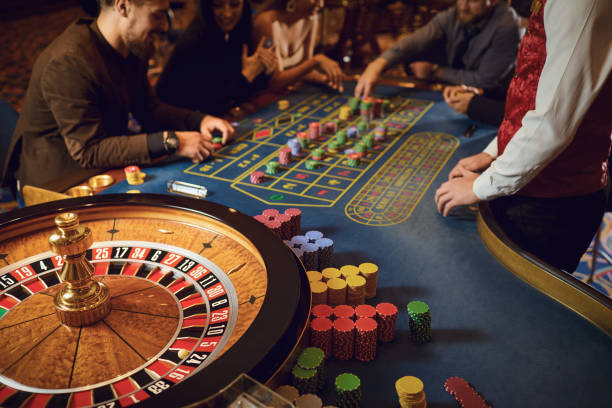
Gambling often takes place in social settings, which adds another layer to its psychological appeal. The communal aspect of playing with friends or fellow gamblers can foster camaraderie and enhance the overall experience. The shared excitement during a win or the collective disappointment of a loss can deepen connections among players, making gambling a social activity as much as it is a game of chance.
Additionally, social cues from peers can influence gambling behavior. For instance, a supportive environment can encourage a player to take risks they might not consider alone. Understanding these social dynamics helps clarify why some individuals gamble more frequently or in larger amounts when surrounded by others. It emphasizes the importance of social influence in the gambling world.
The Role of Marketing and Environment
The gambling industry heavily relies on strategic marketing and carefully crafted environments to attract and retain players. Casinos are designed to be visually appealing, with bright lights, engaging sounds, and a festive atmosphere that encourages longer stays. This creates a sensory experience that captivates the senses and heightens the desire to gamble.
Moreover, promotional strategies, such as bonuses and loyalty programs, can make gambling even more enticing. These marketing tactics play on the psychological principles of reward and reinforcement, drawing in players with the promise of potential gains. Understanding how these elements work can empower individuals to approach gambling with a critical mindset, recognizing how external factors can manipulate their choices and behaviors.
Your Resource for Gambling Insights
This website serves as an invaluable resource for anyone interested in the gambling industry. With up-to-date news, insights, and analyses, it aims to enhance your understanding of this complex field. Whether you’re a novice eager to learn more or a seasoned professional seeking the latest trends, our content is designed to inform and engage.
By exploring various aspects of gambling, from psychological factors to market dynamics, we provide a comprehensive perspective that aids decision-making. We are committed to delivering quality content while maintaining a secure environment for our visitors. Join us in navigating the fascinating world of gambling and uncovering the intricacies behind its appeal.